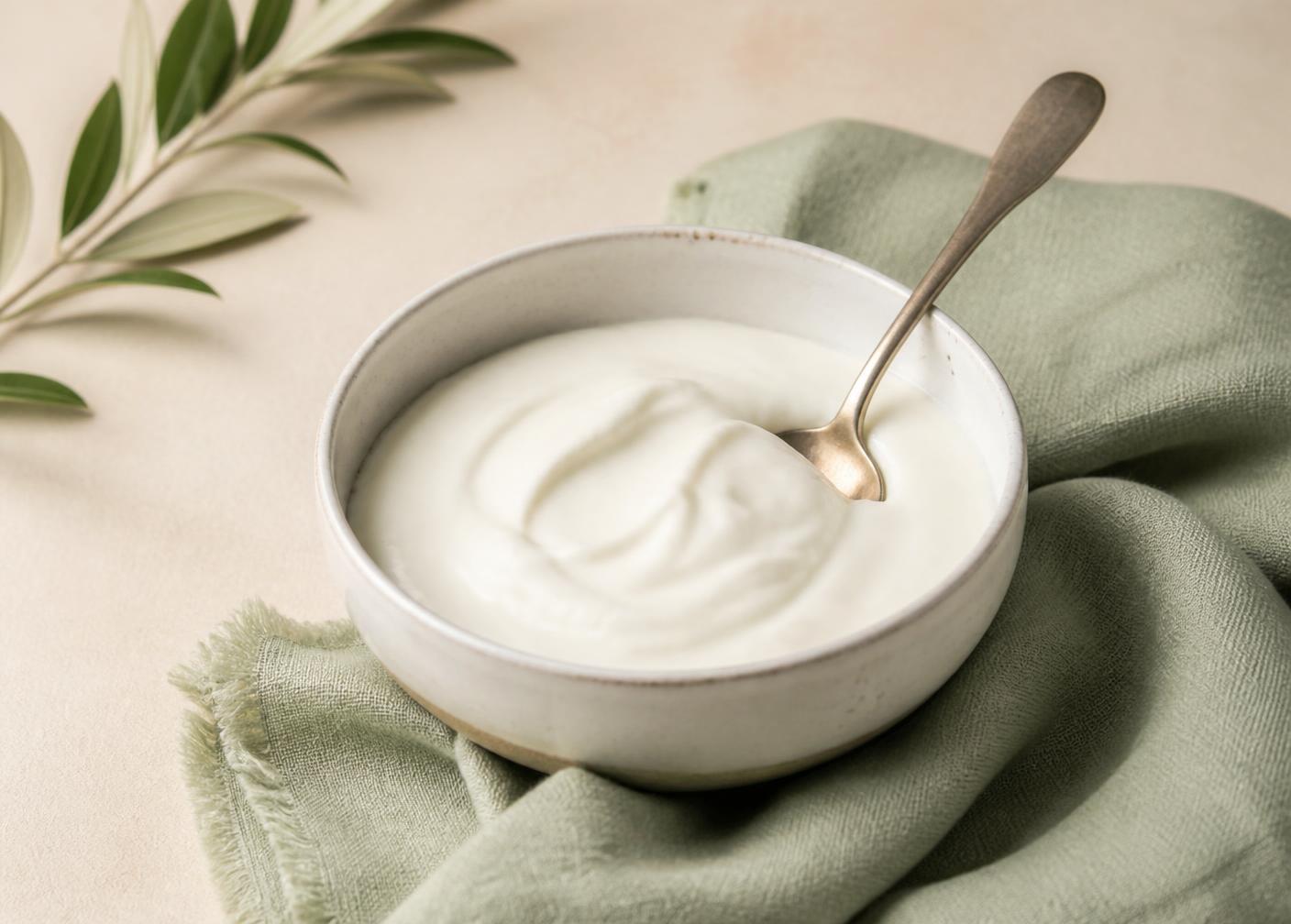

Goat milk and cow milk may look similar in the glass, but they are not exactly the same. They can differ in flavour, nutritional composition, fat structure and how they are used in dairy products.
This guide explains some of the important differences without declaring one milk universally better than the other.
Goat Milk and Cow Milk at a Glance
The table below is a general orientation rather than a nutrition claim. For nutrient amounts, use the Nutrition Facts table on the specific product you are buying, or Health Canada's Canadian Nutrient File.
| Goat milk | Cow milk | |
|---|---|---|
| Source | Dairy goats | Dairy cattle |
| Taste | Often described as creamy and mild, sometimes slightly distinctive; varies | Familiar reference point for most Canadians |
| Colour and appearance | Typically white | White, sometimes with a slightly creamier tone |
| Lactose | Naturally present | Naturally present |
| Fat | Fat globules are on average smaller | Larger fat globules; commonly homogenised |
| Protein | Different balance of casein protein fractions | The protein profile most recipes assume |
| Common dairy products | Milk, yogurt, drinkable yogurt, cheese, kefir | Milk, yogurt, cheese, butter, cream, ice cream |
What Does Goat Milk Taste Like?
Flavour is not fixed. It can vary depending on factors such as freshness, handling, processing, storage and production practices. Some people find goat milk close to what they already drink; others notice a mild, distinctive character.
It is not accurate to say all goat milk tastes strong, and it is not accurate to say it tastes identical to cow milk.
Read more: What does goat milk taste like?
Is Goat Milk More Nutritious Than Cow Milk?
Both goat milk and cow milk are nutrient-containing dairy foods, and their nutritional profiles differ in individual nutrients. That difference does not make either one nutritionally superior, and we do not describe goat milk that way.
Actual nutrition information should be taken from the Nutrition Facts table of the specific product you are considering, since amounts vary between products and processing methods.
What About Lactose?
Goat milk naturally contains lactose, the sugar found in milk. Goat milk should not be described as naturally lactose-free, and a lactose-free description is a labelling claim about a specific product rather than a property of goat milk in general.
Read more: Does goat milk contain lactose?
What About Milk Allergy?
Lactose intolerance and milk allergy are different things. Lactose intolerance relates to digesting lactose. Milk allergy is an immune reaction to milk proteins.
Proteins in cow, goat and other ruminant milks can be similar, and people with a cow's milk allergy may also react to goat milk. Goat milk is not an allergy-safe alternative, and nothing here is medical advice — speak with a healthcare professional about an allergy or intolerance.
Goat Milk in Yogurt and Cultured Dairy
Goat milk is not only a drinking milk. It is also used to make yogurt, drinkable yogurt, cheese and other cultured dairy foods, where the balance of proteins and fat influences texture and flavour.
Read more: What is goat yogurt?
So Which One Should You Choose?
There is no single answer. The choice can depend on taste preference, availability where you shop, what you intend to make with it, dietary preferences and individual nutritional needs.
If you are simply curious, the most useful next step is trying a small amount plain and seeing what you think.
Read more: our guide to goat milk and goat dairy
For the wider picture, see our guide to goat milk and goat dairy or our FAQ.
Sources & references
- Canadian Nutrient File — Health Canada
- Canada's Food Guide — protein foods, including dairy
- Health Canada — food allergies and intolerances
- Canadian Food Inspection Agency — dairy products
This article is general information about food, not medical advice.